- Capital: Antananarivo
- Time Zone: GMT +3
- Currency: The currency of Madagascar is Ariary.
Madagascar, a land rich in history and culture, offers a captivating journey through time. This island, once a crossroads of ancient trade routes, has been shaped by diverse influences, from its early Austronesian settlers to the arrival of Arab, European, and African traders. The island’s unique blend of traditions and cultures is reflected in its architecture, from the Royal Palace in Antananarivo to the historical ruins of Ambohimanga, a UNESCO World Heritage site. Madagascar’s complex colonial history also adds depth to its story, with the legacy of French influence visible in its cities and coastal towns. Visiting Madagascar is like stepping into a living history book, where ancient traditions coexist with a vibrant, evolving culture.
Cities
Antananarivo
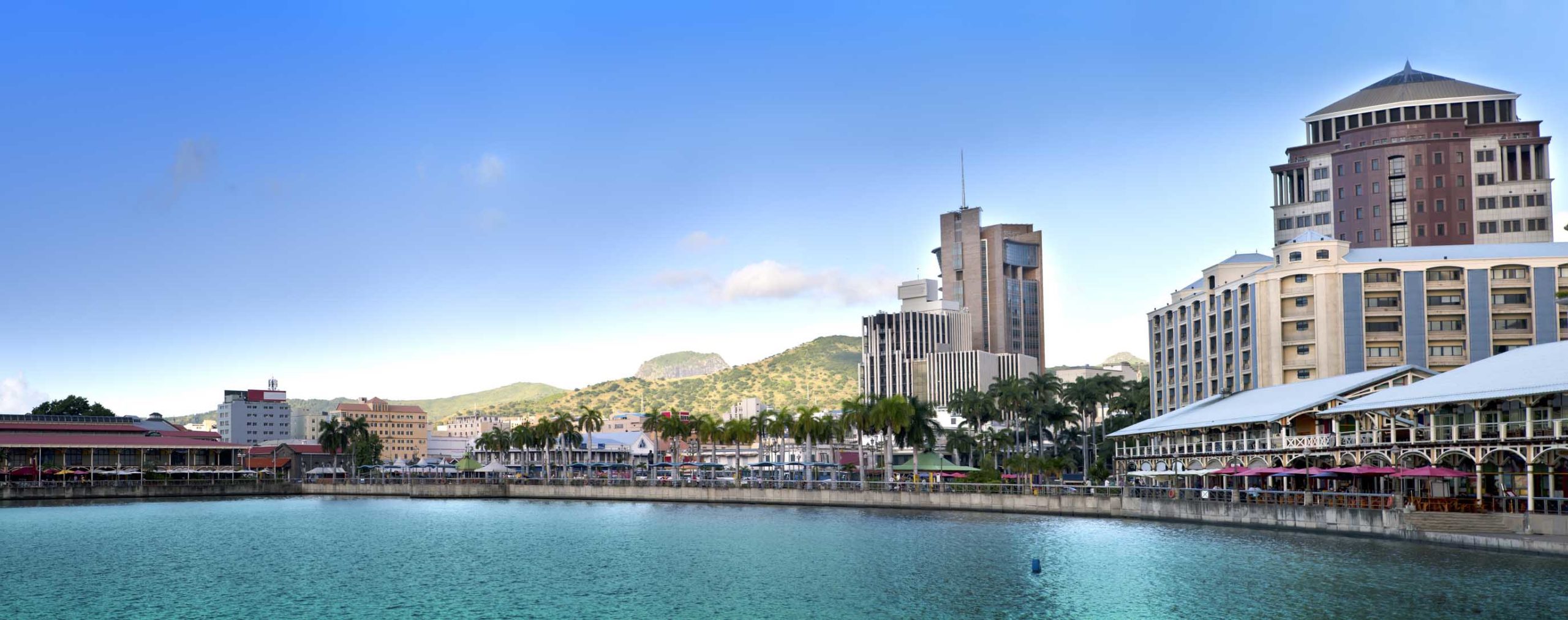
Antananarivo is a real concentrate of what the island reserves in an urban framework. It is the capital of Madagascar, and is called “the City of thousands, referring to 1000 treasures to discover. With your family, visit a “rova,” a palace of the royal era, or wander through the animal parks to discover the fauna and flora visible all around the island. In solo or in couple, there is a trek to go through the 12 sacred hills to discover the Malagasy gastronomy in one of the restaurants of the upper city. Antananarivo offers you a rich journey for young and old.There are numerous activities to do there, for everyone of different tastes. Whether you prefer historical culture, fauna and flora, or adventure, the capital of Madagascar will meet all of your expectations. To learn more about Malagasy culture and history, you can visit the royal palaces or historical sites such as the Upper Town of the Pavillion Market, filled with atypical architechtures. Alongside an experienced guide, you will have the opportunity to quickly learn more about Malagasy people and their history. Customs are one aspect that makes the charm of the population, which will fill your outings with big smiles and greetings.
Nosy Be
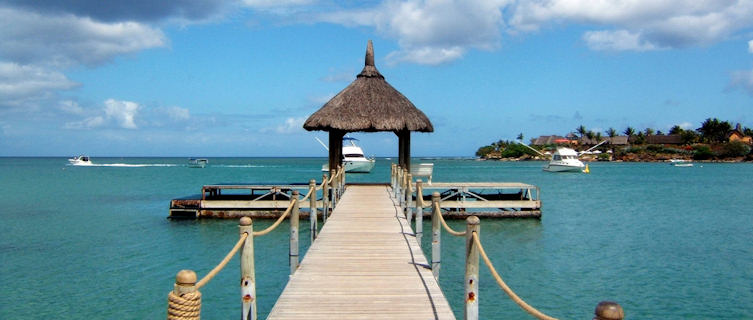
Nosy Be is the main island of an archipelago of a dozen small islands. It is called the island of perfumes because of its scents of ylang ylang, sugar cane and spices. It is a land of dreams and adventure, and you can practice many activities there. You can also enjoy the heavenly beaches littering the coasts. Situated in the Mozambique Canal, near the north-western coast of Madagascar, Nosy Be is called Ambariobe (“the great island”) by the inhabitants of the region. This volcanic island of approximately 320 km² is the ideal starting point for cruises to paradisiac archipelagos, or to the west coast of Madagascar. Nosy Be contains many other surprises! The island is overflowed with a dense forest sprinkled with volcanic lakes, and an exceptional fauna and flora. The archipelago has many islands that are very easy to visit. The most famous are Nosy Komba, Nosy Tanikely, Nosy Sakatia, and Nosy Iranja.
Diego Suarez
Diego Suarez is the main town north of Madagascar. It is a dreamy destination and offers a range of nautical and land activities, in an incredible and breathtaking setting. From beaches to imposing mountain massifs, you will discover a different setting at each stage of your journey. This will be an epic journey that will offer you a lot of memories!The city of Diego Suarez, also called Antsiranana is the largest city north of Madagascar. It is also the 3rd port of the island. It was for a long time, the former French garrison, where the remains of colonization is still seen today. Diego-Suarez and its region are full of incredible landscapes – Ramena beach is the most obvious. It is one of the most beautiful beaches in the world, with miles of turquoise water and white sand bordering it. The region has many fishing villages and offers the Amber and Ankarana Mountains as background. You can’t miss the many other sites with grand landscapes that Diego-Suarez has to offer, like the red Tsingy or the Emerald Sea. An exceptional stay filled with flamboyant colors awaits you!
Language
The main language of Madagascar is Malagasy, but English and French are also recognized as official languages, with a preference in use for French.
Weather
The climate in Madagascar is very varied according to the regions. The Highlands have a mild climate, the West is warm and dry, the East coast is rainy, the North is hot and humid, and the South semi-arid. The dry season runs from April to October, and the summer, the rainy season, from November to March. The ideal is to leave between September and October or from April to June.
Electricity
Electricity is generally at 220V. Most hotels have their own generators. Provide a battery-operated device for extreme cases. For your calls, the code of Madagascar is 261, and the broadband internet is generalized in the hotels.